

 Start Read
 Recommend
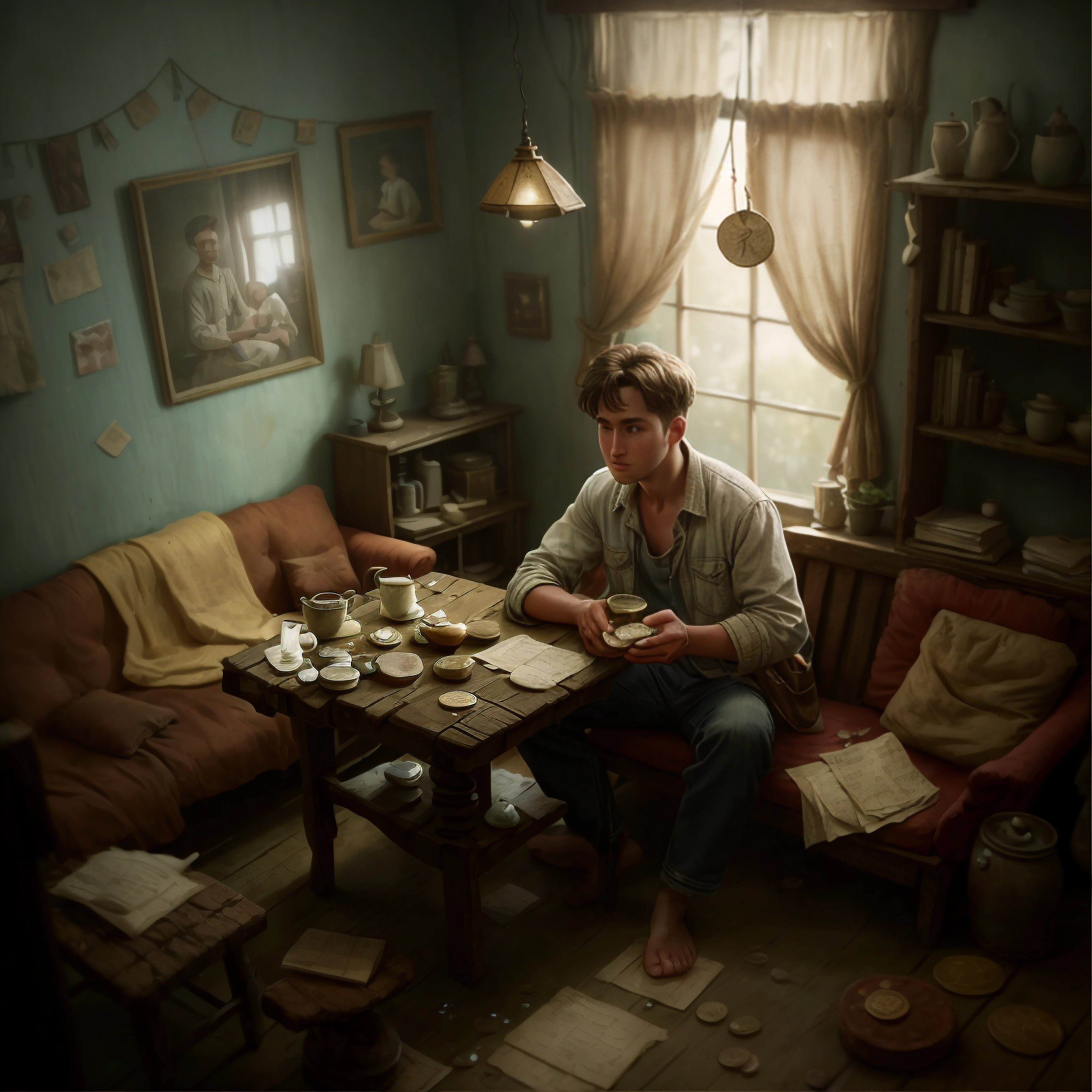
Scene 1: Low Wages - The sweeper, named Raj, sits at a worn-out wooden table in a small, dimly lit room. The room is sparsely furnished with a tattered sofa and a faded family photograph hanging on the cracked wall. Raj is meticulously counting a handful of coins and crumpled banknotes. The room's atmosphere reflects the struggle of making ends meet.
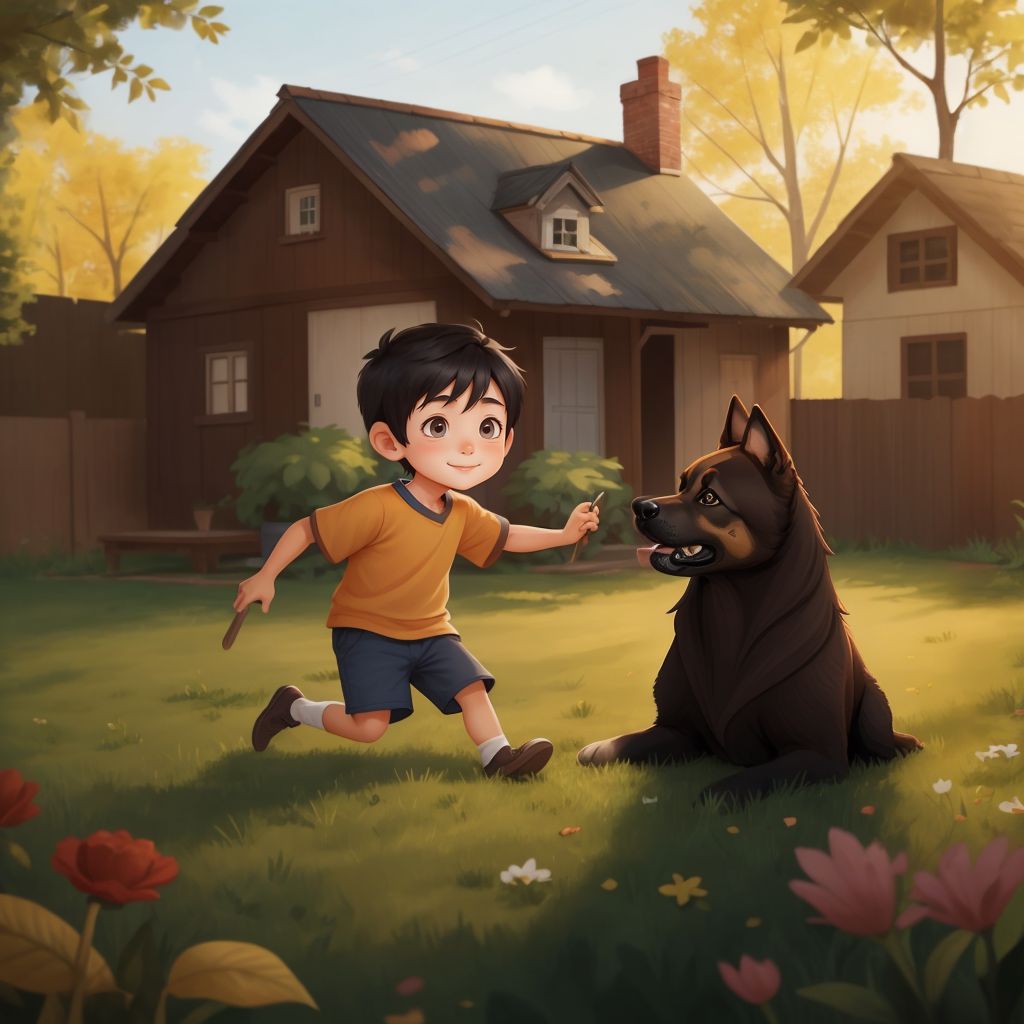
In an old, small house a boy named Sam and his 1 big dog live. Sam played basketball near the driveway where a blue car sat. Sam loved his big dog very much. They were the best of friends and did everything together.
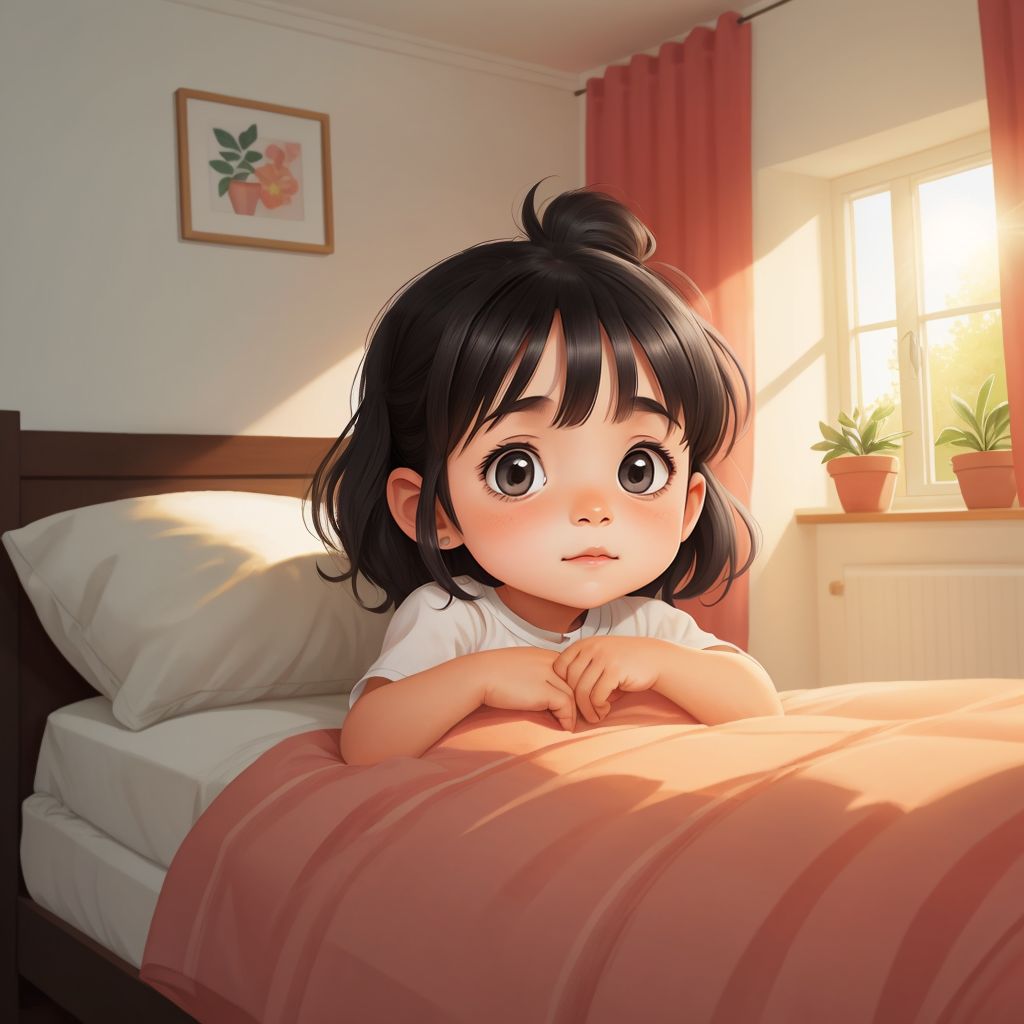
A little girl waving hello to her family (father, mummy, brother and sister) in the background
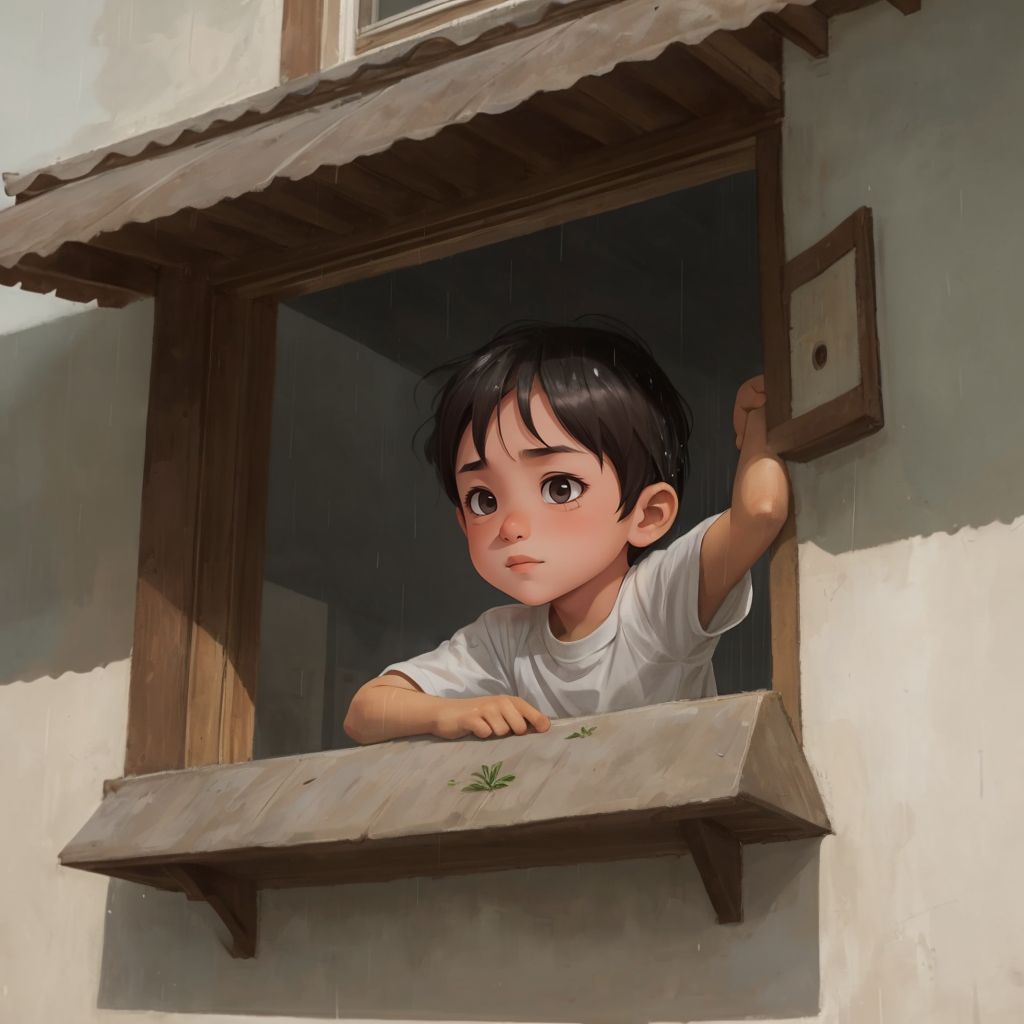
Pira and her younger brother Dito, along with their cat Reo, face a stormy day that threatens their outdoor playtime. As the rain pours down, the siblings must find the courage not to let fear and disappointment take over. Will Pira's nurturing spirit and courage help them find joy, even on a rainy day?
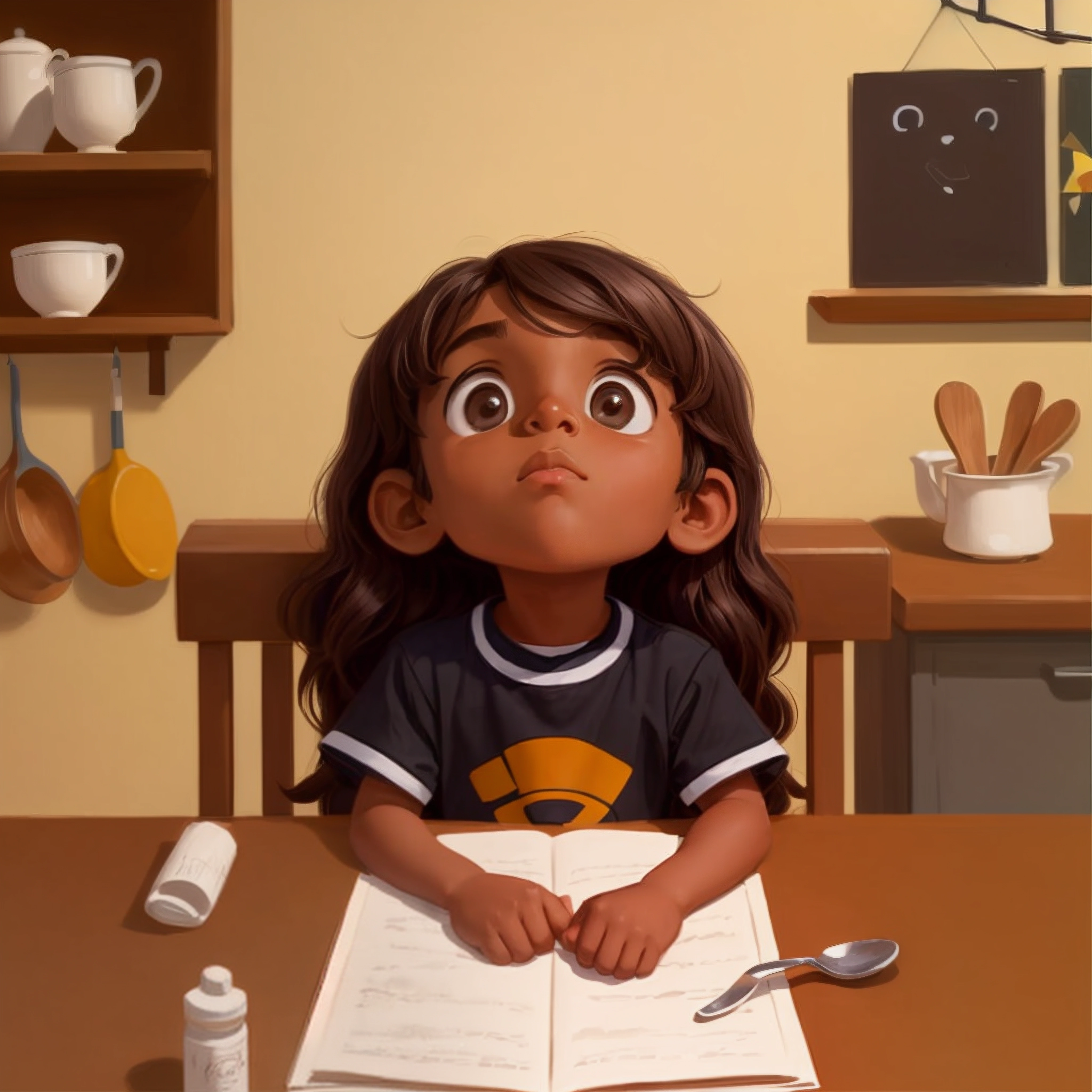
Kid asking mom can I do differnt careers . Mom continues to tell the little boy he can do all things and provides words of affirmation

Tony, a plastic bottle, longs for a meaningful existence beyond being discarded. Eager to be recycled, he explores various methods through conversations with recycled pals—a milk jug, a TV remote, and a trash bag. Each avenue presents challenges: bugs can't handle much plastic, heat-based processes release toxins, and turning into building blocks is impractical and costly. Disheartened, Tony faces a grim reality: the world isn't equipped for plastics like him to find new life. His dream of recycling remains unfulfilled, highlighting the urgent need for a world less reliant on disposable plastics. The solution lies in reducing their production and opting for reusable alternatives, sparing future plastics from Tony's fate.

Boy is scared of the monster in the dark but there is no monster, just Dark.
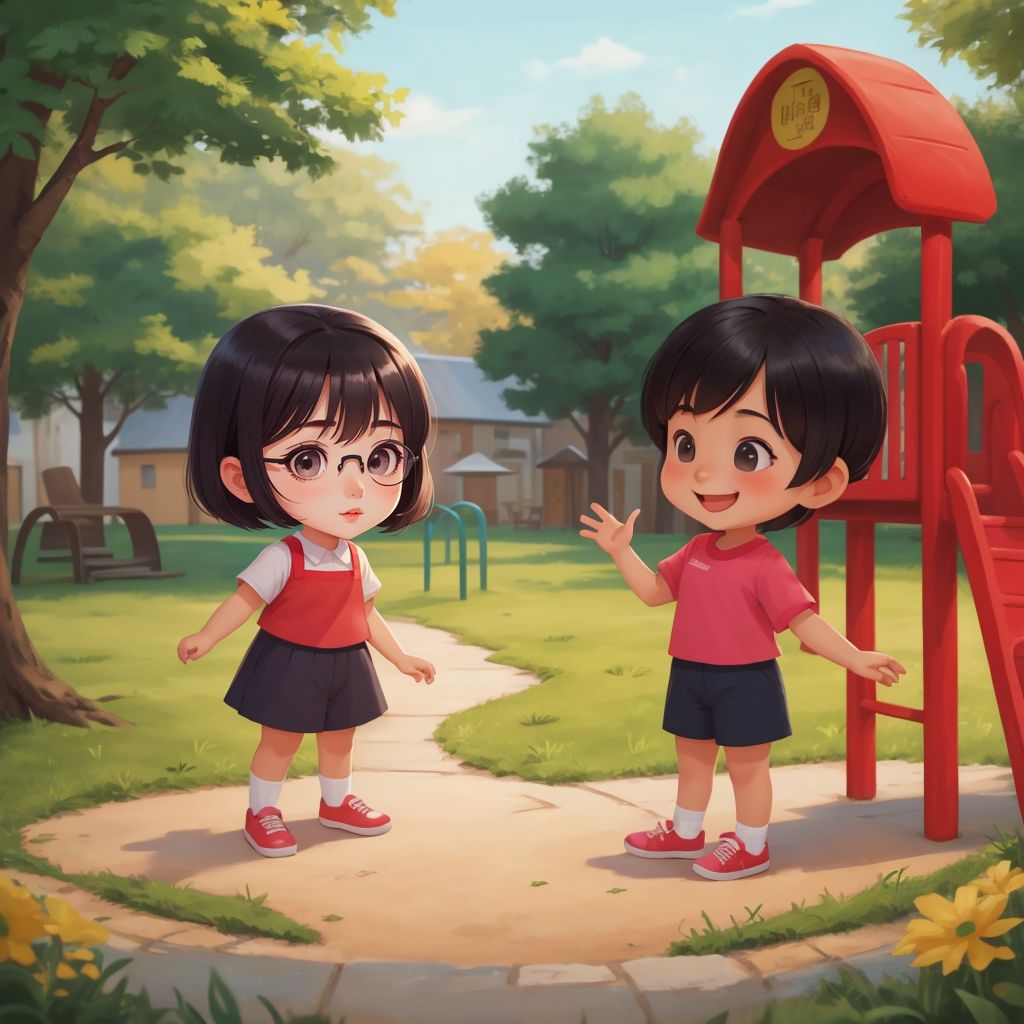
Join Emily on her daily adventures as she discovers different ways to spread kindness. From sharing a snack to helping a friend tie their shoes, Lily teaches children that even small acts of kindness can make a big difference.
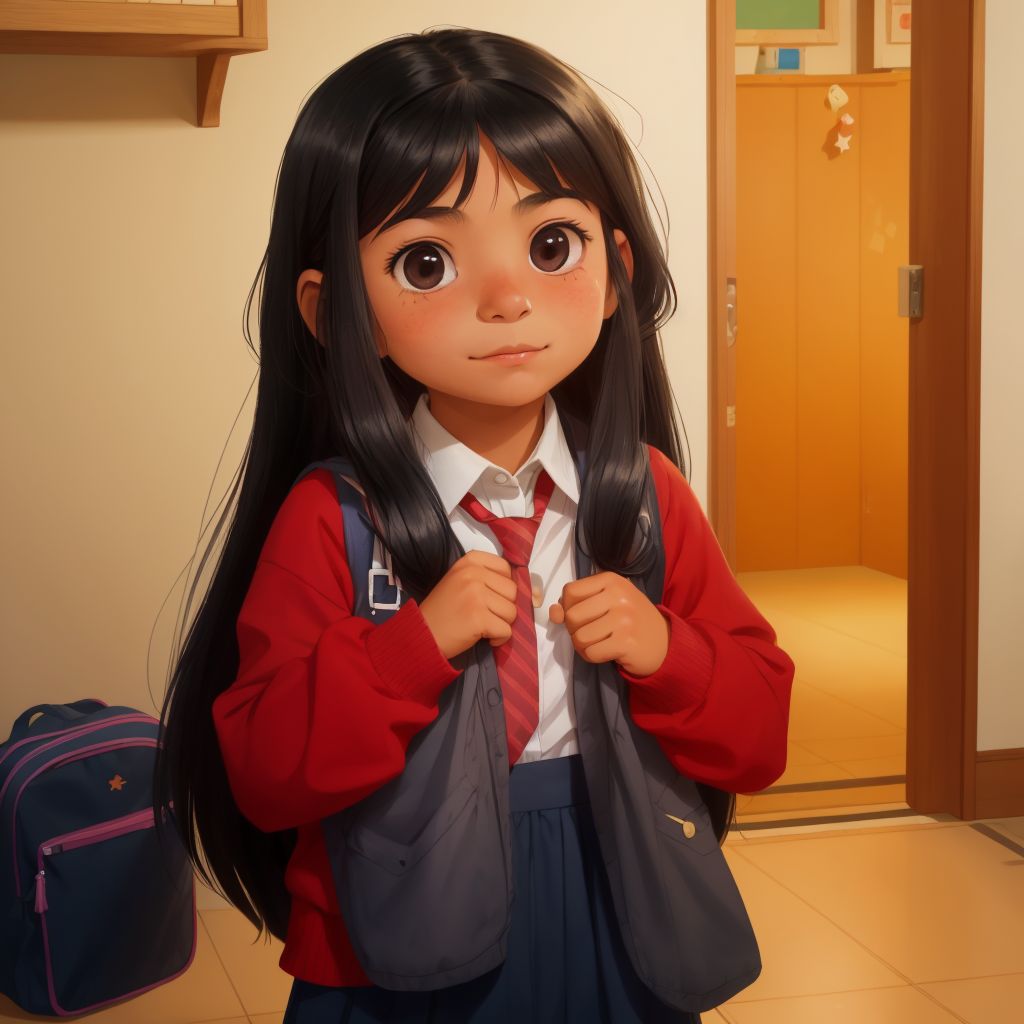
This is the Last day in Mr.C’s Class. Using the lessons learned during Mr.C's Class, Valerie discovers a magical book of spells that empowers her to create her own destiny as she enters the enchanting world of 5th grade.
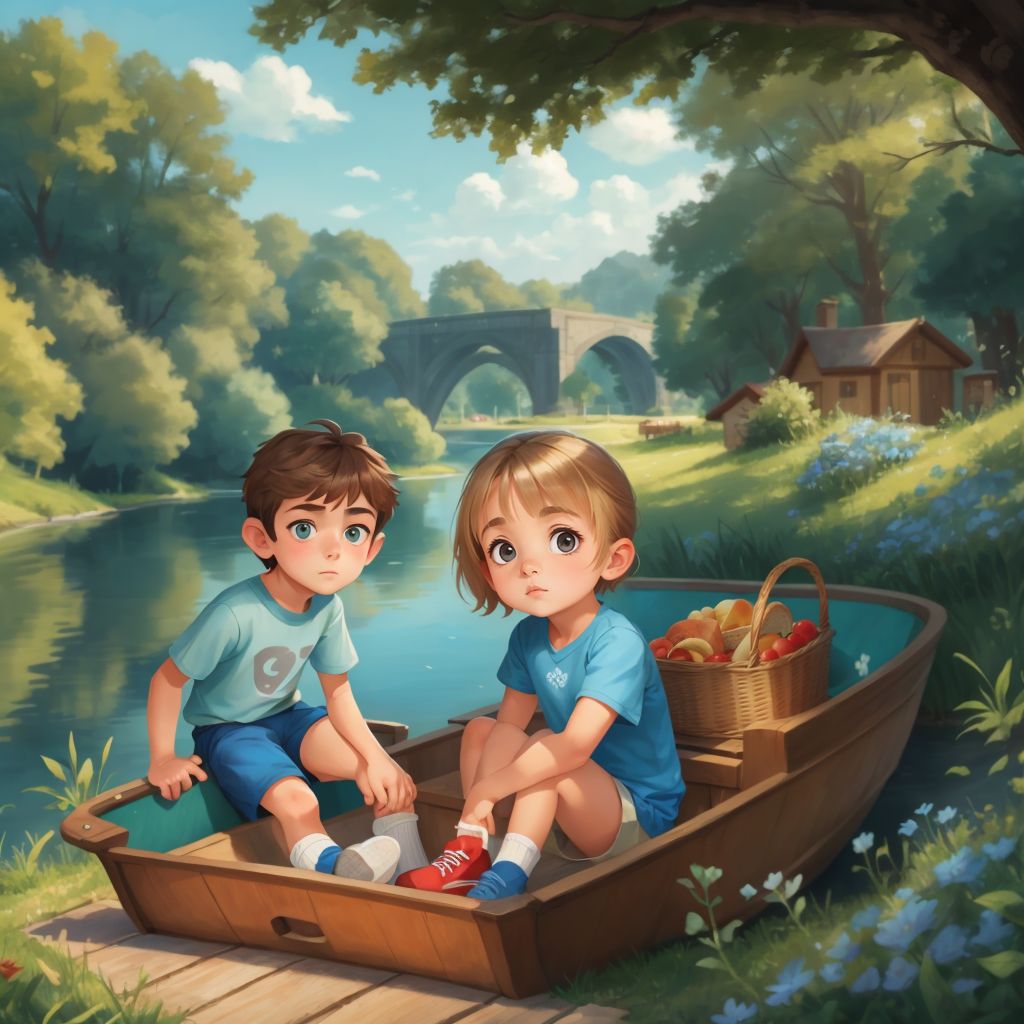
Rab and Sam go sailing on a lake with a magic castle on an islnad in the middle of it.
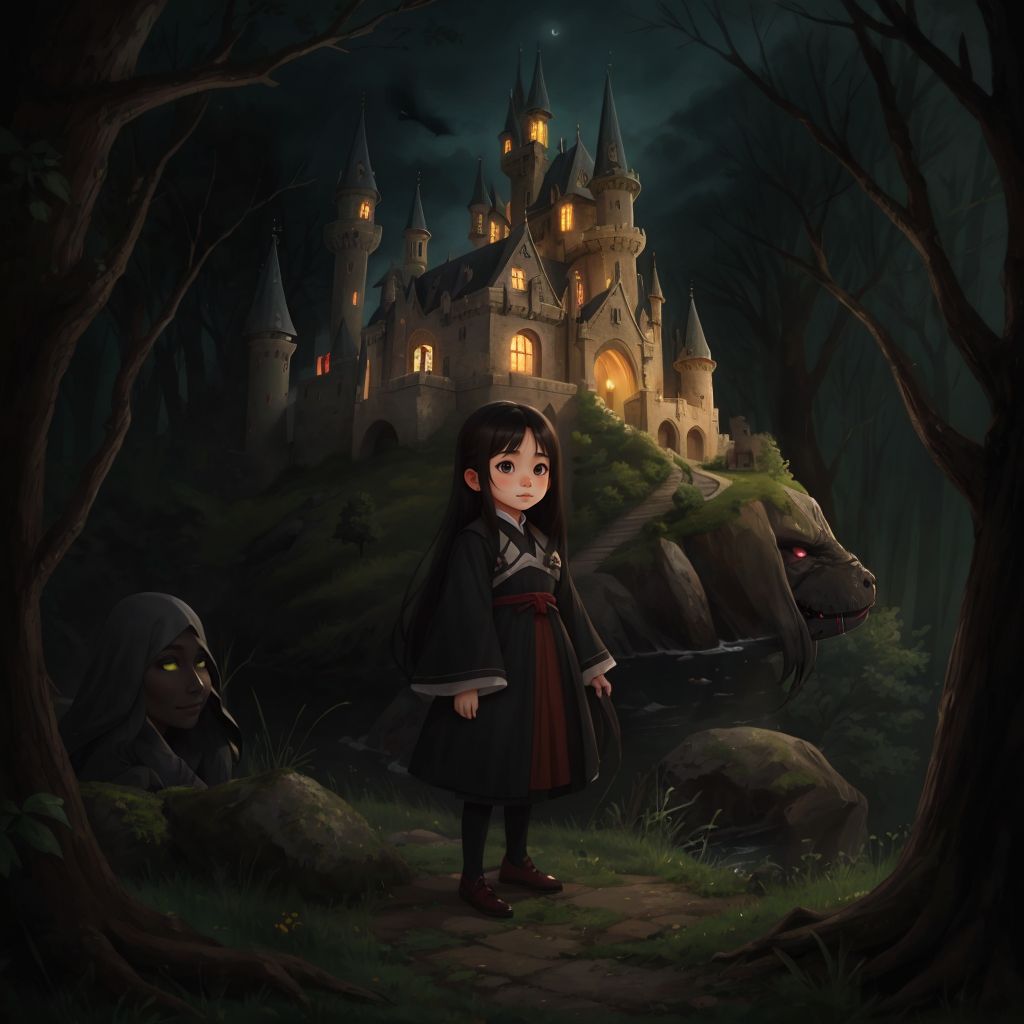
كانت هناك ساحرة عمرها 8سنوات وكانت شعرها طويل و ناعم ولونه اسود وكانت تعيش في قصر مرعب وكانت لا احد يريد ان يصادقها وكانت لطيفه

Book for muslim kids teaching them different islamic words
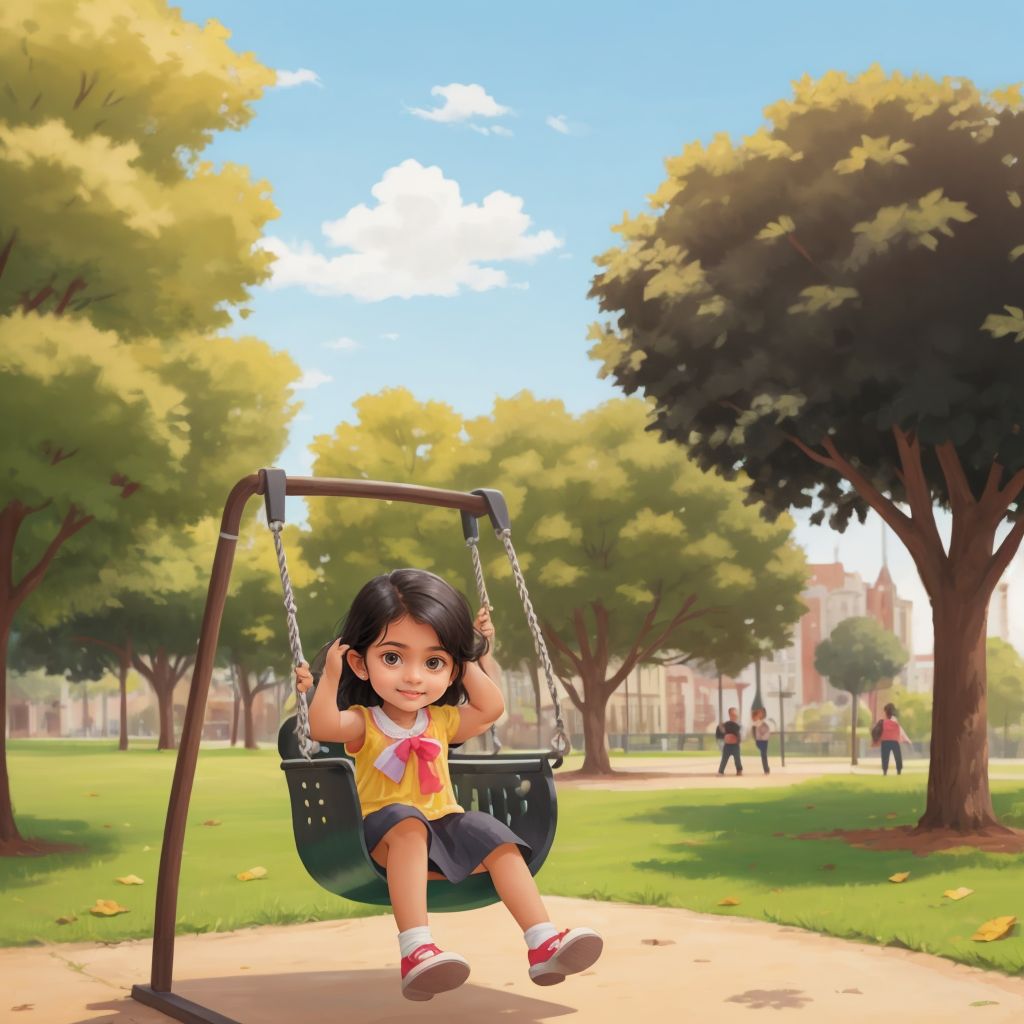
How Maya helped a lost puppy find it's home
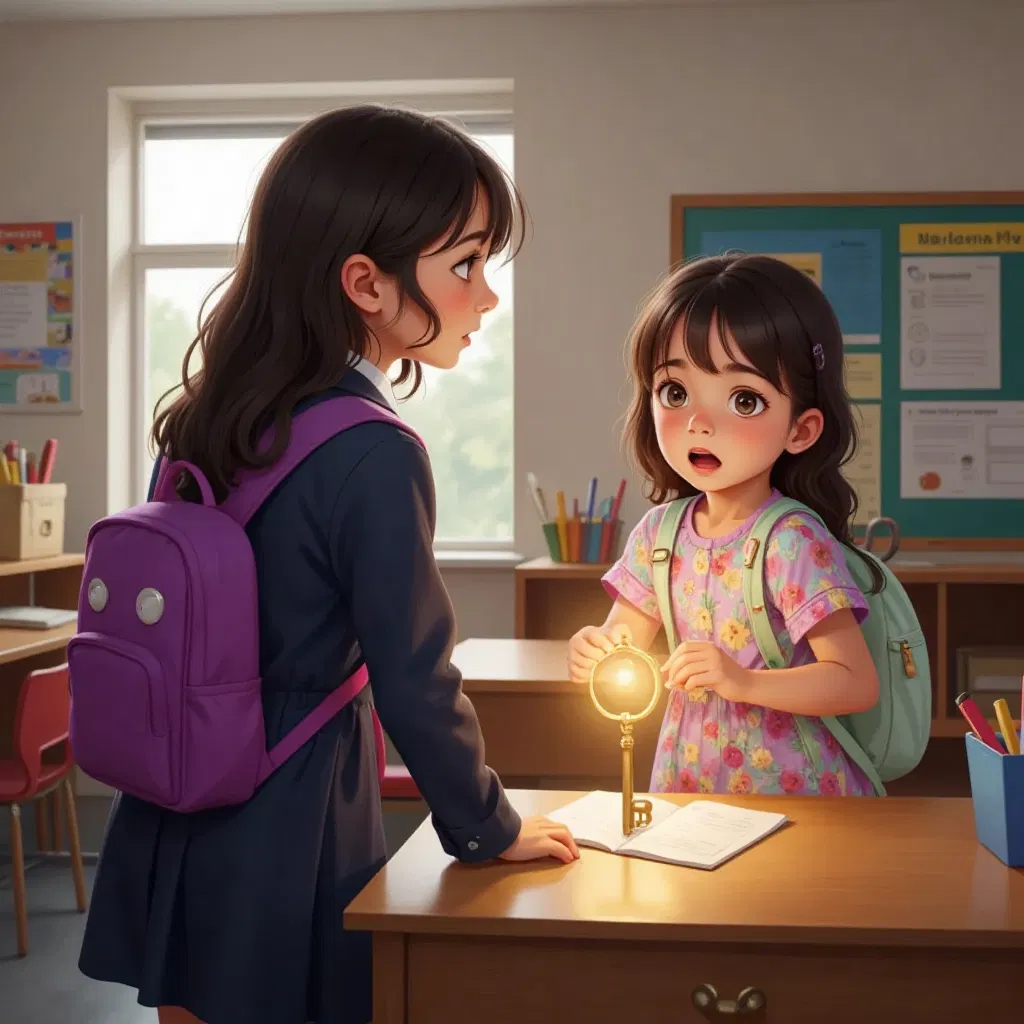
When a mysterious golden key appears on Mr. C’s desk, Rose, Adrian M., and Aaliyah are the only ones who see it shimmer. The key hums with energy, and when they touch it together, the classroom transforms into a swirling tunnel of light. They land in Civicara, a magical city where buildings float, roads rearrange themselves, and glowing symbols represent the rules that keep everything running smoothly. Guided by Archivus, a wise owl-like guardian of Civicara, the trio embarks on a quest to restore balance to the city. The Laws of Light that keep streets safe are flickering, the Fountains of Health that provide clean water and care have stopped flowing, and the Flame of Service—which powers the firefighters' and sanitation workers’ abilities—is dimming. Without these forces, the city is falling into chaos. To set things right, Rose, Adrian, and Aaliyah must visit different parts of Civicara: The Hall of Laws, where they learn how fair rules protect everyone and must fix a broken law book. The Healing Gardens, where they help magical doctors and learn about health and safety. The Service Forge, where they work alongside magical sanitation workers, firefighters, and teachers to restore the Flame of Service. Through teamwork, problem-solving, and courage, the three friends bring Civicara back to harmony. When they return to Mr. C’s classroom, they realize their own community is just as important—every worker, rule, and service helps keep their world running. And just maybe, if they listen closely, they can still hear the hum of the golden key, reminding them that they have the power to make a difference.
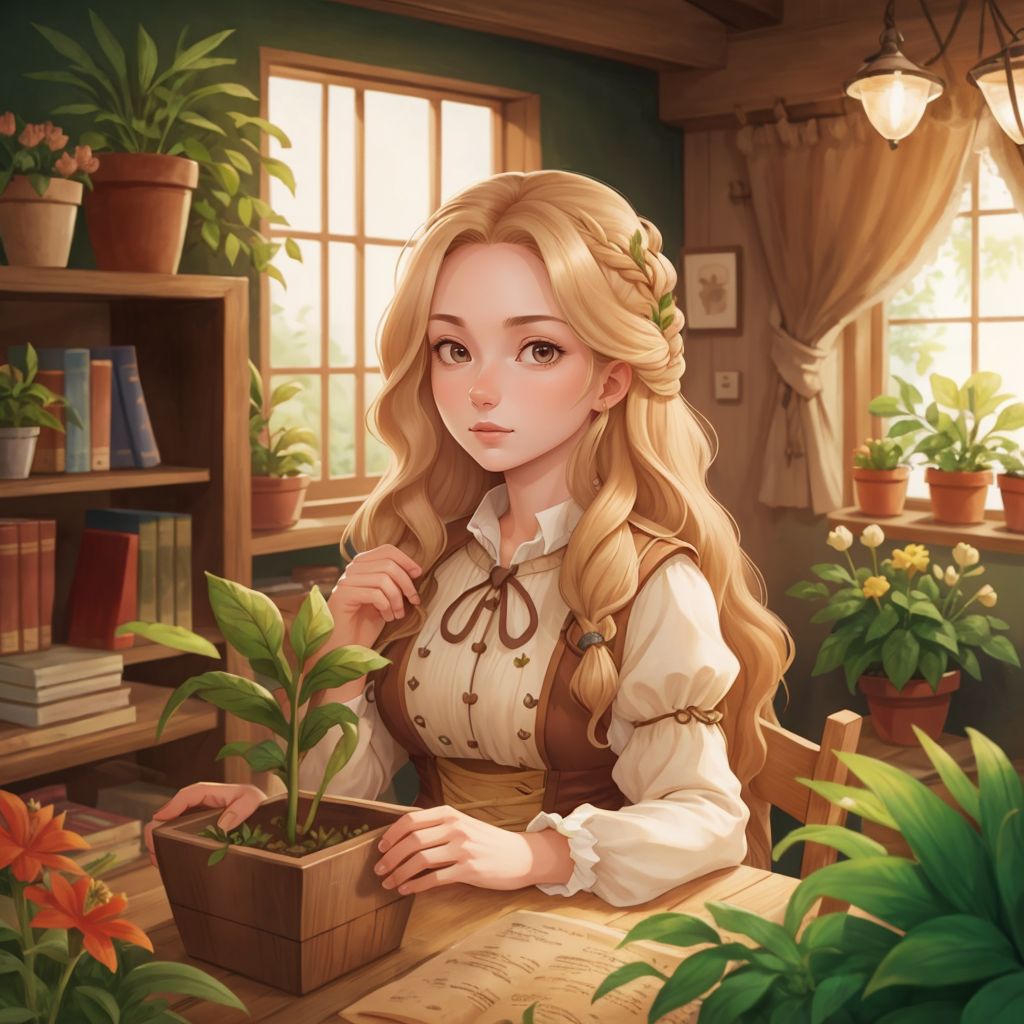
Era uma vez, no jardim chamado Verdezania, uma linda mãe chamada Chaline, que cuidava com todo amor das plantas, ervas e flores daquele lugar. Ela havia criado aquele lugar como um mundo secreto, cheio de magia e mistério, onde cada canto escondia uma surpresa. No meio desse jardim mágico, havia uma casa encantada, rodeada por árvores frutíferas e ervas que cresciam abundantemente.
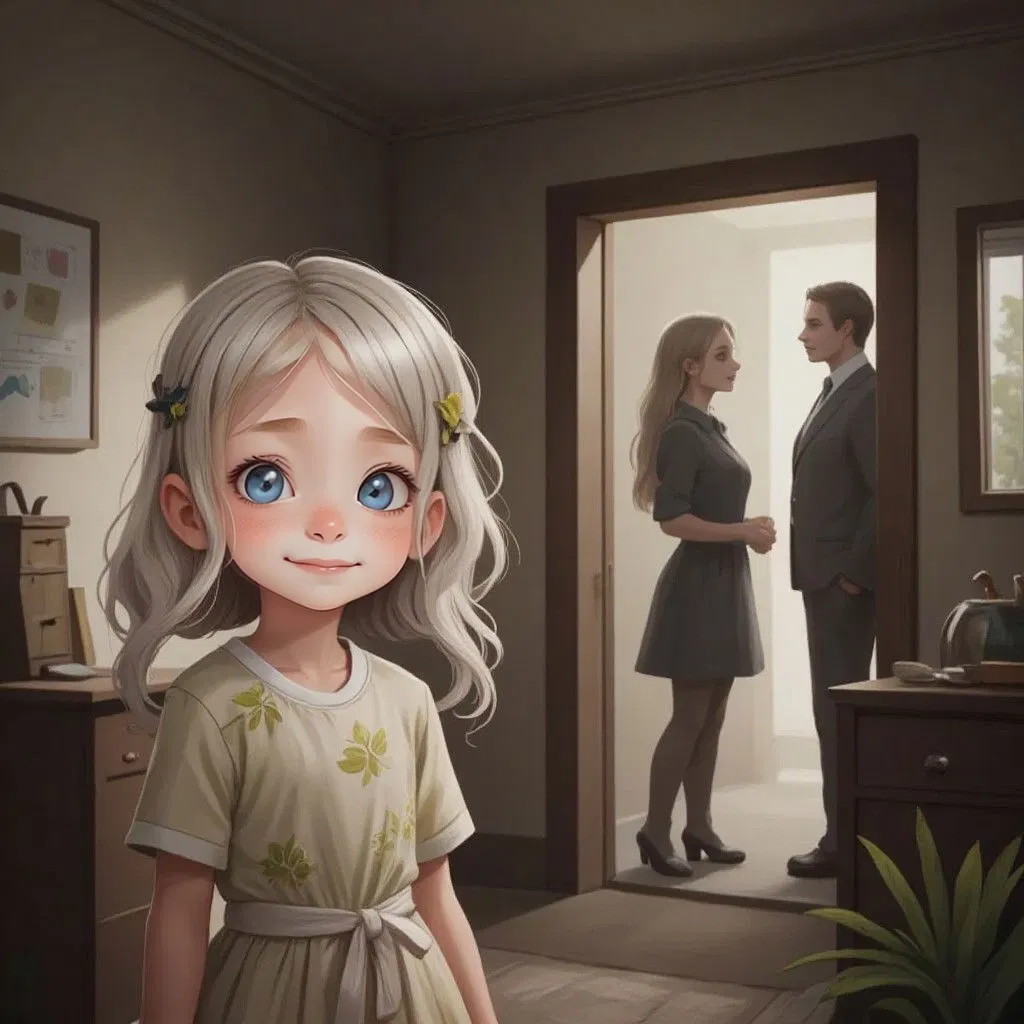
Character Development: Mia’s Journey Mia is introduced as a bright and imaginative girl who loves to explore her surroundings. However, she often feels sad and confused due to her experiences at home with her toxic parents. The narrative can depict moments where Mia feels overwhelmed by negative emotions, such as anger, sadness, or fear, stemming from the chaotic environment created by her parents’ toxic behaviors. Understanding Emotions The book should include sections where Mia learns about different emotions through engaging activities. For instance, she could discover an “Emotion Garden” where each flower represents a different feeling—red for anger, blue for sadness, yellow for happiness, etc. This metaphor helps children understand that all emotions are valid but that they can choose how to respond to them. Finding Support As the story progresses, Mia meets supportive characters—a wise grandmother figure or a caring teacher—who teach her about healthy coping mechanisms. They might introduce concepts like mindfulness, journaling, or talking about feelings openly. These interactions emphasize the importance of seeking help and building a support network outside of toxic family dynamics. Empowerment Through Choices Mia learns that she has the power to make choices that contribute to her happiness. This section could include practical advice on setting boundaries with toxic individuals and engaging in self-care practices such as spending time in nature or pursuing hobbies that bring joy. Illustrating these choices empowers children by showing them they can take control of their own happiness. Celebrating Small Victories The narrative should highlight Mia’s small victories along her journey—like standing up for herself when her parents are unkind or finding joy in simple pleasures like drawing or playing outside. Each victory reinforces the message that healing is a process filled with ups and downs but ultimately leads toward greater happiness.
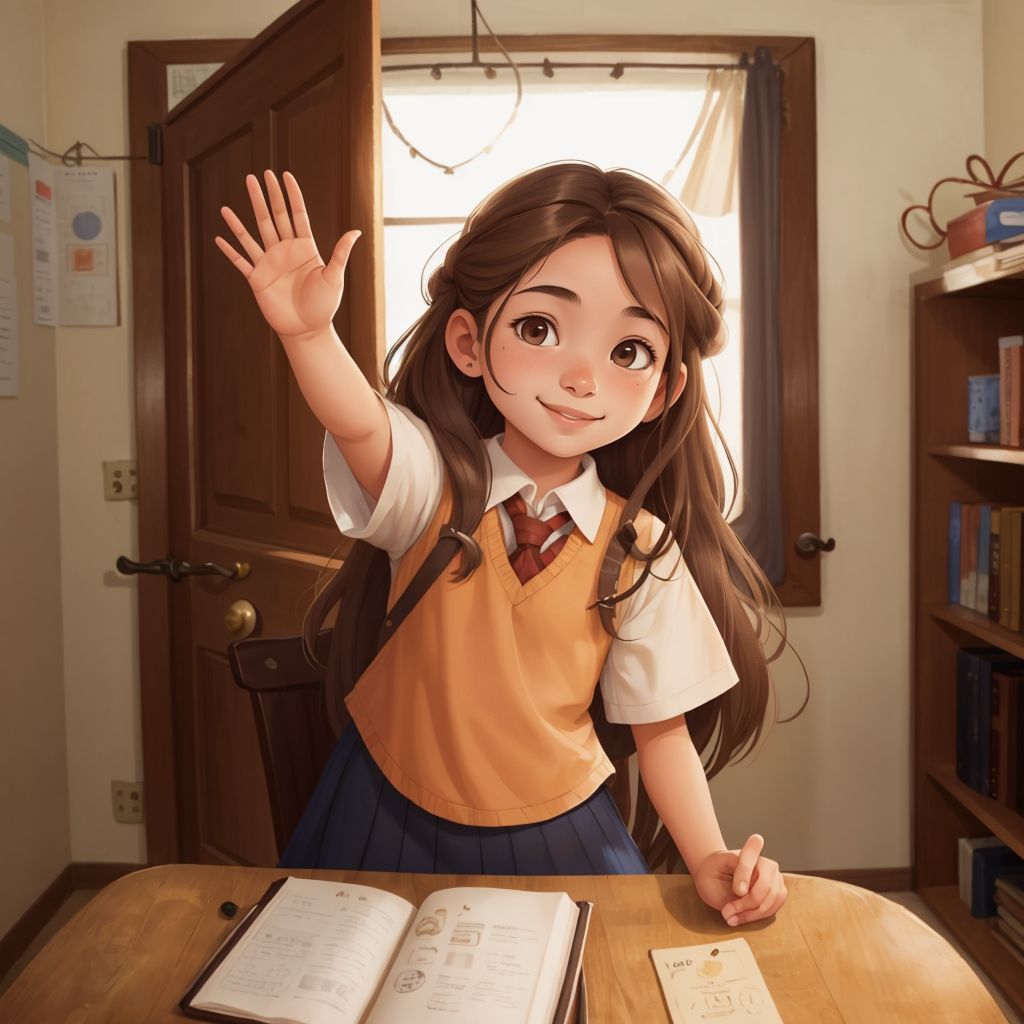
In "Anya's Colorful Journey," we meet 14-year-old Anya, who lives in the quaint town of Whitby, England, with her parents and two siblings. Though she’s always called England home, her heritage is deeply rooted in India through her mother’s family. Each visit to her grandmother’s house brings enchanting tales of Indian traditions, yet Anya often struggles to grasp their significance. During one visit, as the aroma of spices fills the air, Anya questions her grandmother about the importance of these stories, especially since her grandmother has never lived in India. Seeking answers, Anya explores the loft and discovers a colorful bag. When she pulls out a beautiful sari, a magical swirl of colors transports her to a lively festival in India, brimming with laughter and joy. Returning to the loft, Anya finds a small container of spices. Touching it whisks her away to a bustling market, where a friendly chef explains the vital role spices play in Indian cuisine, each carrying its own story. Finally, she discovers a miniature dhol, a drum that invites her to a spirited dance celebration. Anya joins in, feeling the rhythm and the warmth of community. These magical experiences transform Anya’s understanding of her grandmother’s stories, revealing the deep connections to her Indian heritage. Excited, she rushes downstairs to share her adventures and ask questions, while her grandmother beams with pride, ready to weave together the rich tapestry of their family culture. This enchanting tale celebrates curiosity, connection, and the vibrant stories that bind generations together.

baraa is a muslim boy who learns the quran and pray

Once upon a time in the quaint little town of Puptown, there lived a dog named Auggie. Auggie was no ordinary dog; he had a peculiar talent. Whenever he ate something, it seemed to transform into a symphony of flatulence. Yes, you guessed it right—Auggie was the Mozart of dog farts. His owner, Mr. Thompson, was both amused and horrified by Auggie’s unique ability. The neighbors, on the other hand, were not so thrilled. They’d be having a pleasant afternoon tea, and suddenly, Auggie would let out a thunderous toot that could wake the dead. Mrs. Higgins, the elderly lady next door, would clutch her pearls and mutter, “Oh, dear! It’s Auggie again.” Auggie’s escapades were legendary. One day, he attended the annual Puptown Dog Show. As the elegant poodles pranced around the ring, Auggie sat in the corner, pretending to be all dignified. But when the judge announced, “Best in Show,” Auggie couldn’t contain himself. He let out a fart so powerful that it blew the toupee off the mayor’s head. The crowd gasped, and Auggie wagged his tail proudly. He knew he’d just won the unofficial title of “Most Explosive Performance.”
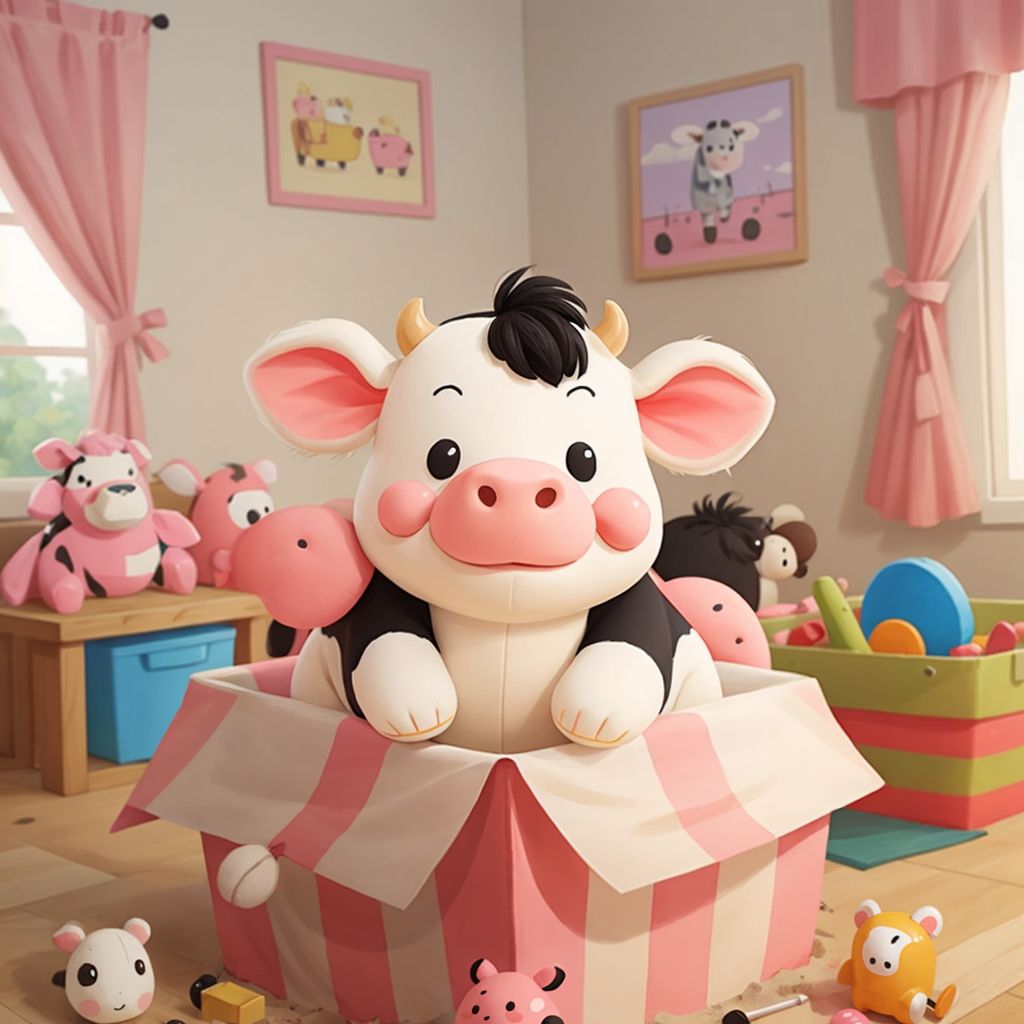
Moo Moo raced to the park, ready to cause some mischief. He ran straight to the sandbox, dug a hole, and hid all the toys! "Moo moo!" he giggled, watching the other kids look for their shovels and buckets. But soon the other kids looked sad, so Moo Moo decided to be nice. "Surprise!" he yelled, pulling out the toys from the sand. Everyone laughed and cheered. Moo Moo felt happy, knowing that sharing was more fun than playing tricks. "Moo Moo the sand monster strikes again!" he said, winking.